Capture + Store CO2Sustainable WoodDurable + StableFast + EfficientStrong + Resilient
Mobile view.
Capture + Store CO2Sustainable WoodDurable + StableFast + EfficientStrong + Resilient
Gen 2 – Stranded Mass Timber
Technology that outperforms others.
Time and cost-efficient.
Superior stiffness and strength using NextGen LSL laminae.
Surpasses and/or complements all current CLT applications.
Highest log conversion, uses juvenile tree crops.
Safe holistic treatment against decay, moisture, insect.
Accredited Sustainability: Store and Lock Away more CO2.
Gen 2
Stranded Mass Timber
Technology that outperforms others.
Time and cost-efficient.
Superior stiffness and strength using NextGen LSL laminae.
Surpasses and/or complements all current CLT applications.
Highest log conversion, uses juvenile tree crops.
Safe holistic treatment against decay, moisture, insect.
Accredited Sustainability: Store and Lock Away more CO2.
Stranded Wood Products – More from Less

Lignor uses innovative stranding technology, providing one of the world’s strongest patented portfolio’s of Engineered Wood Products (EWP) from softwoods and hardwoods, including juvenile eucalyptus trees.
Our stranded wood solutions outperform conventional engineered wood products, but use fewer valuable resources, at a disruptive price point. Each one is designed with the planet in mind to help build better, lock away more carbon and to have less impact on our fragile environment.
It’s wood that’s good.
Multiple Markets
Reduce or eliminate carbon-intensive steel and concrete.
Lignor’s cost-efficient and waste-reducing engineered timbers reach deep into many industrial and domestic markets.
They also embrace biophilic design principles, providing a sense of wellness and connection back to nature.
Domestic Housing
Commercial & Educational Buildings
Multi-storey Buildings
Trucks, Buses + Rail Floors
Container Floors
Announcements
The Directors of the Company, Mr Peter Burton & Mr Steve Baldwin would like to provide the following statement:
DATE: Nov 3 2023
It is with great sadness that we announce that due to the recent passing of Graeme Black, CEO and major shareholder of Lignor, the company’s management will be changing.
Graeme was a visionary leader, and his commitment to environmental change and the many years guiding and supporting the Lignor team’s mission of developing new process technology and sustainability in the engineered wood products industry.
He will always be remembered as the heart of the business. He brought to the team a vast experience in business and a pioneering spirit that inspired us all every day. He also brought the personal qualities of intellectual curiosity, kindness and resolve. Graeme will be greatly missed by colleagues, friends and loved ones.
Exploring possible manufacturing site in US
DATE: Aug 22 2023
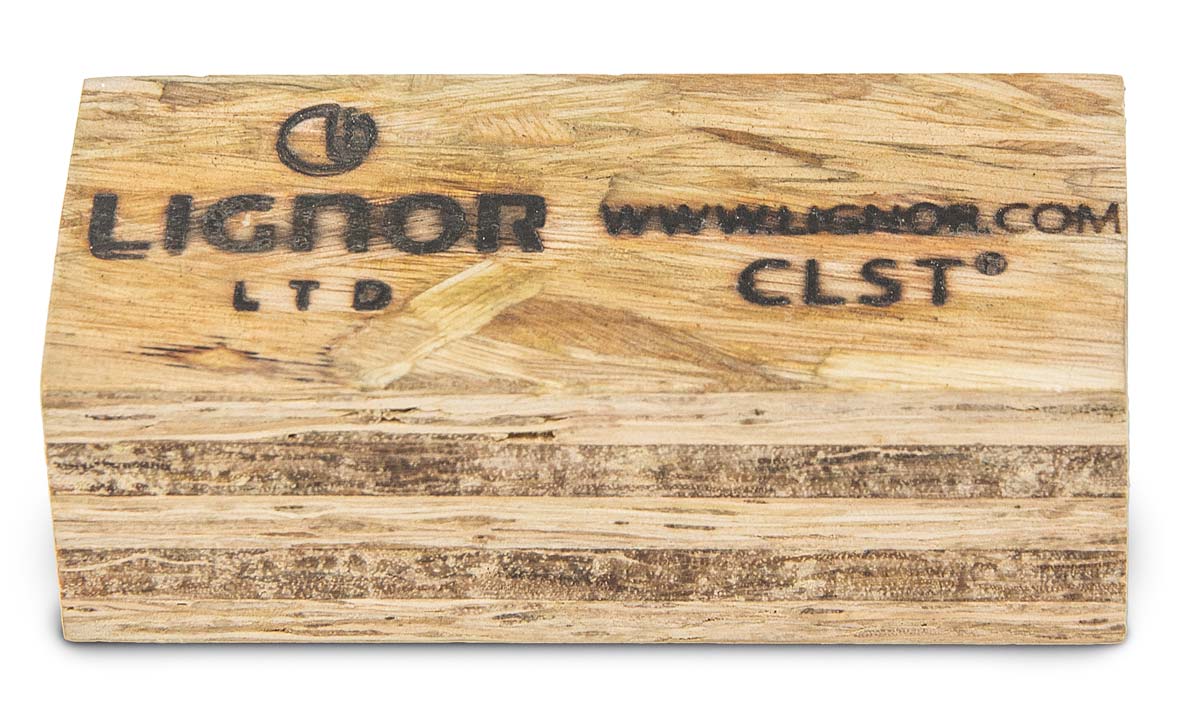
Lignor Ltd. of Australia is a world leader of high-performance sustainable Engineered Wood Products (EWP). The company uses innovative stranding technology to produce one of the world’s strongest patented portfolios of EWP from softwoods and hardwoods.
Lignor Inc, a recently formed US company is currently exploring possible sites for a US location to produce the company’s Cross Laminated Strand Timber (CLST®), a new patented engineered wood product. The company will provide more details on the project when they become available later this year.
Events
TBA
Check here for future attendances of Lignor.